Children Online: What to Watch For?
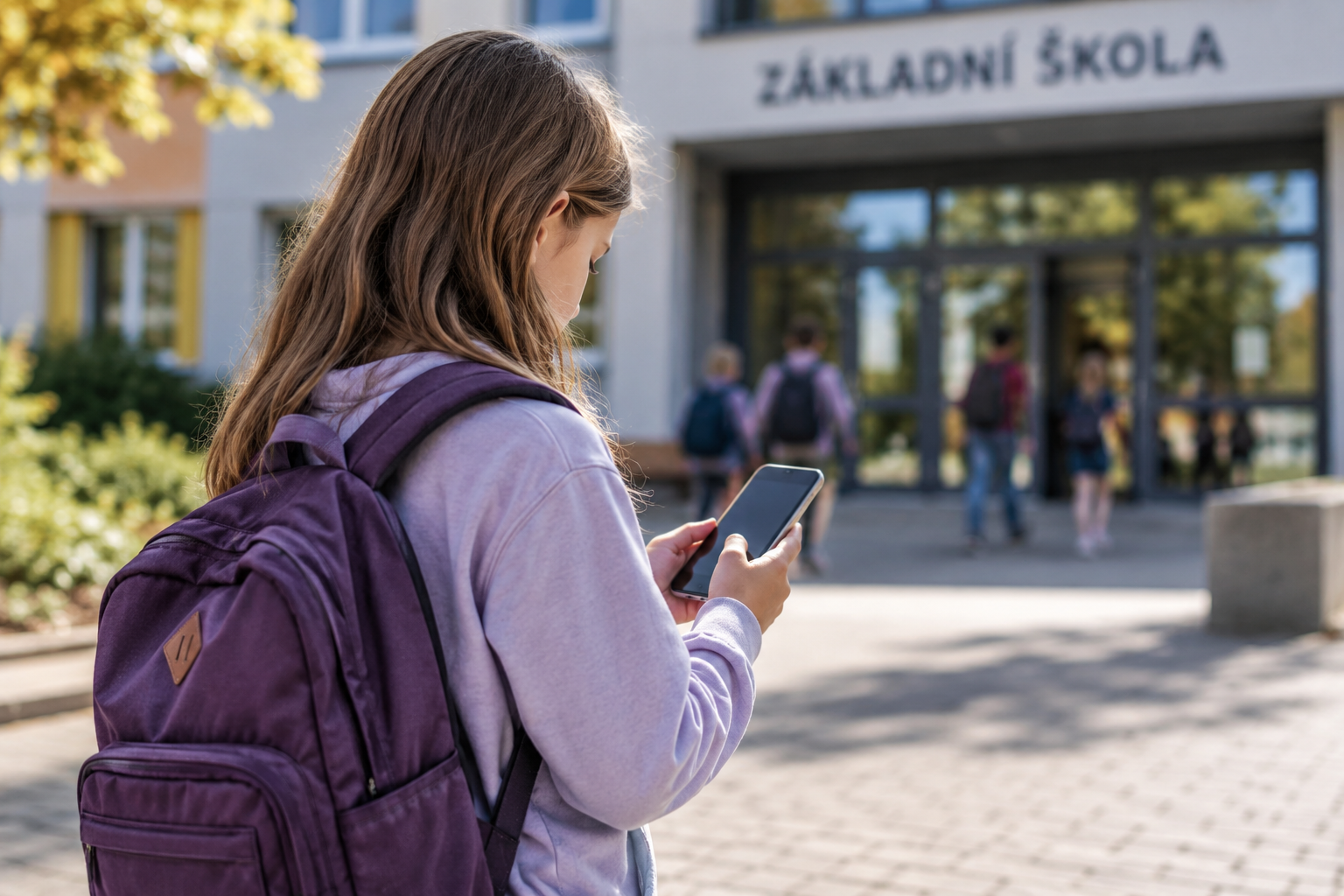
As children return to school, they gain more independence not only in everyday life but also online. On social media or in online games, they may encounter scam links, cyberbullying, or people who are not who they claim to be. What should parents prepare their children for, and what should they discuss with them?
Summary
Parents cannot keep track of everything their children do online. That makes it all the more important to teach them how to recognize risks and how to respond.
- explain why they should not share passwords or personal information
- teach them to be cautious of suspicious messages and links
- review the privacy settings of their accounts and apps together
- talk to them about the risks of communicating with strangers online
- make sure they know they can come to you if something happens
What to Prepare Children For
Talk to your child about who they communicate with online and what they share about themselves. Not everyone on the internet is who they claim to be. Children should be cautious if someone asks them for personal information or photos, or tells them to keep their conversations secret from their parents.
Children should know that passwords, their address, current location, and other personal information should not be shared with strangers. This information can be misused to compromise an account, track where a child is, or gain their trust.
The Czech National Cyber and Information Security Agency warns about similar risks, including cyberbullying and cyber grooming. In cyber grooming, an adult gradually builds a child's trust with the intention of exploiting them.
Sexting is another risk – sending intimate messages, photos, or videos that can later be used for coercion or blackmail. Even a single image or video can be manipulated by AI for blackmail purposes.
Scam messages and links are another threat. They can arrive via SMS, social media, or chats in online games. They often promise a prize or another reward but can actually be used to steal login credentials or personal information.
Check the Phone Settings Too
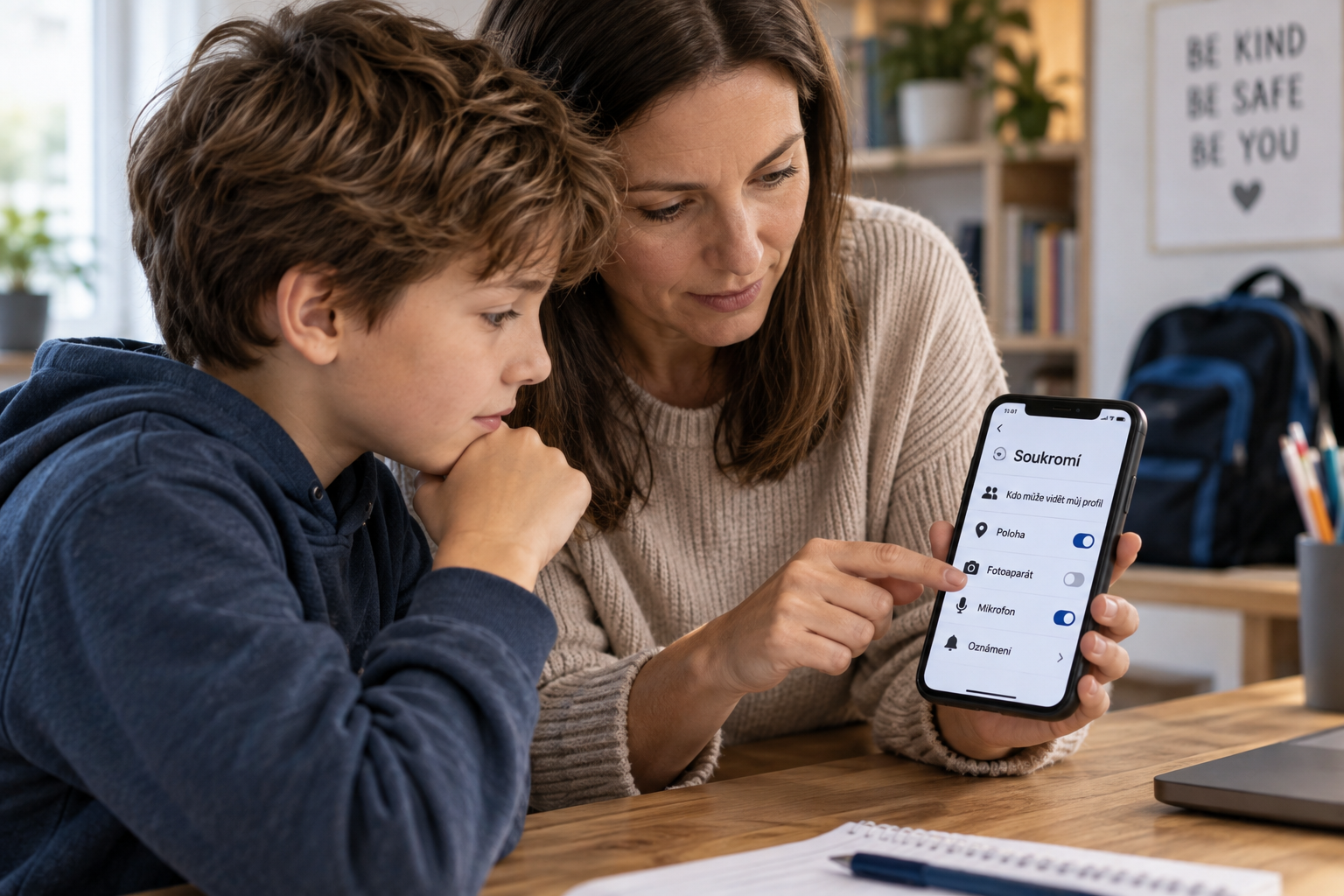
Go through your child's phone security and privacy settings together. Pay particular attention to:
- updates for the phone and its apps
- who can see their profile, photos, and posts
- which apps have access to their location, camera, and microphone
- whether they use strong, unique passwords
When Something Goes Wrong
Even the right phone settings and an understanding of online risks cannot prevent every problem. It is therefore important that children know they can come to you even if they made a mistake – for example, if they clicked a suspicious link or sent someone something they should not have.
If your child comes to you with a problem, do not delete any messages or conversations. Save screenshots and, depending on the severity of the situation, report it to the platform provider or the police.
Keeping children safe online is not just about technical security. Trust and open communication are just as important. The start of the school year is a good opportunity to go through both together. On the Redamp blog , you can find more practical tips on how to protect your children and yourself from online threats.
Tip! Use Safe Surfing — an easy to use and lightweight VPN in our Redamp.io application that can filter out malicious URLs.