Hidden SMS Charges Cost Czechs Thousands
- Published
- Threat for
Just CZK 99 a week. An amount that's easy to miss on your phone bill. But over a year, it can add up to more than CZK 5,000. That's how much some people in the Czech Republic unknowingly paid for digital services they say they never signed up for.
Summary
Unwanted mobile subscriptions have quietly cost Czech consumers thousands of crowns. An investigation by journalist Janek Rubeš exposed the problem and prompted mobile operators to take action.
- CZK 99 a week was charged for subscriptions some customers say they never agreed to.
- CZK 5,148 a year is what a subscription at that weekly rate could cost.
- Mobile operators blocked further charges for the services involved and announced stricter rules.
- Refunds are not automatic. Affected customers should check their previous phone bills and dispute unfamiliar charges.
Paying for Services They Never Used
Some people unknowingly signed up for paid subscriptions while browsing the internet. Recurring charges then appeared on their phone bills, even though they had no idea what they were paying for.
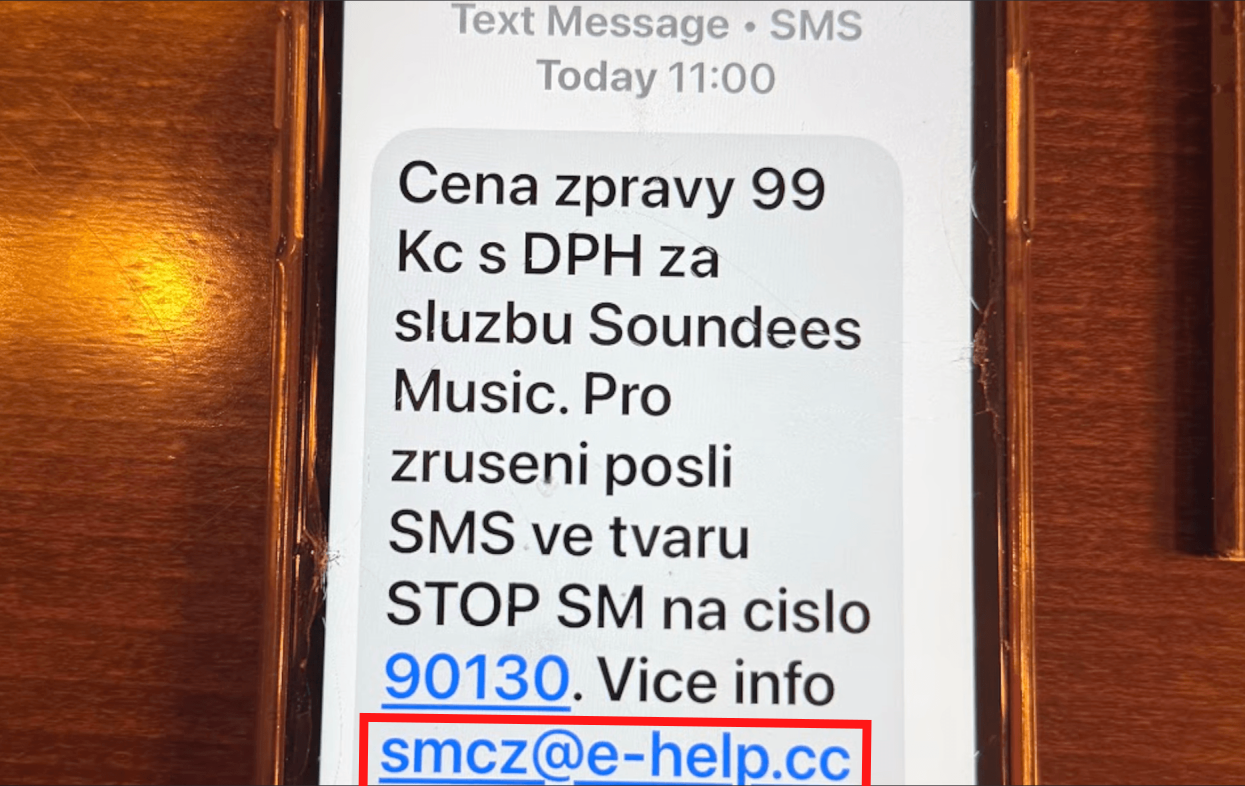
The subscriptions offered digital content such as music, games, and videos that customers said they never used. One of the services involved was Soundees Music.
The issue came to light thanks to Janek Rubeš, a Czech journalist behind the YouTube project Kluci z Prahy. His investigation began when he discovered that his own mother was paying for a similar service without realizing it.
Rubeš went on to check other phone numbers and uncovered dozens of similar cases. He estimates that thousands of people across the Czech Republic could be affected.
The Hidden Subscription Trap
It can start with something as simple as entering a phone number on a website. A text message arrives asking for confirmation. What looks like a routine verification step, however, may actually activate a paid subscription, triggering recurring charges.
These practices exploit the Premium SMS payment system, which allows customers to pay for services through their mobile operator. The payment method itself is legitimate and is commonly used for things like public transport tickets and parking.
The problem begins when customers aren't clearly informed about the price or subscription terms. Charges are quietly added to their phone bills and can go unnoticed for months.
That's what makes the scheme so effective. CZK 99 a week may not seem like much, but over 52 weeks it adds up to CZK 5,148.
Mobile Operators Take Action
Following the investigation, Czech mobile operators responded. According to the Association of Mobile Network Operators (APMS), they blocked further payments for the problematic services starting on October 1, 2026, including charges linked to existing subscriptions.
Operators also announced stricter requirements for service providers. The aim is to ensure that customers clearly understand what they are signing up for, how much it costs, and whether payments will recur.
However, blocking future charges does not automatically refund money already paid. Customers who were charged for unwanted subscriptions can contact the service provider to dispute the payments and request a refund.
How to Check Your Bills and Recover Your Money
Unwanted subscriptions can remain unnoticed for months. That's why it's worth reviewing your phone bills regularly, especially for unfamiliar or recurring charges.
If you find a suspicious payment, here's what to do:
- Review your phone bills. Look for Premium SMS charges and payments to third-party providers. If you cannot identify a charge, ask your mobile operator for help.
- Request a refund. If you never knowingly subscribed to the service, contact the provider and ask them to investigate the payment and return your money.
- Prevent future charges. If you don't use Premium SMS services, ask your operator to block them. This can reduce the risk of similar charges in the future.
Don't wait too long to take action. In the Czech Republic, complaints about telecommunications bills generally need to be filed within two months of receiving the bill. Different procedures and deadlines may apply when requesting a refund directly from a digital content provider.
The case shows how easily small, unnoticed charges can turn into significant losses. Although operators have taken action against the services involved, similar practices could appear again.
Knowing what to watch out for is therefore essential. On the Redamp.io blog , we regularly cover emerging digital threats and share practical advice on how to stay safe online.